
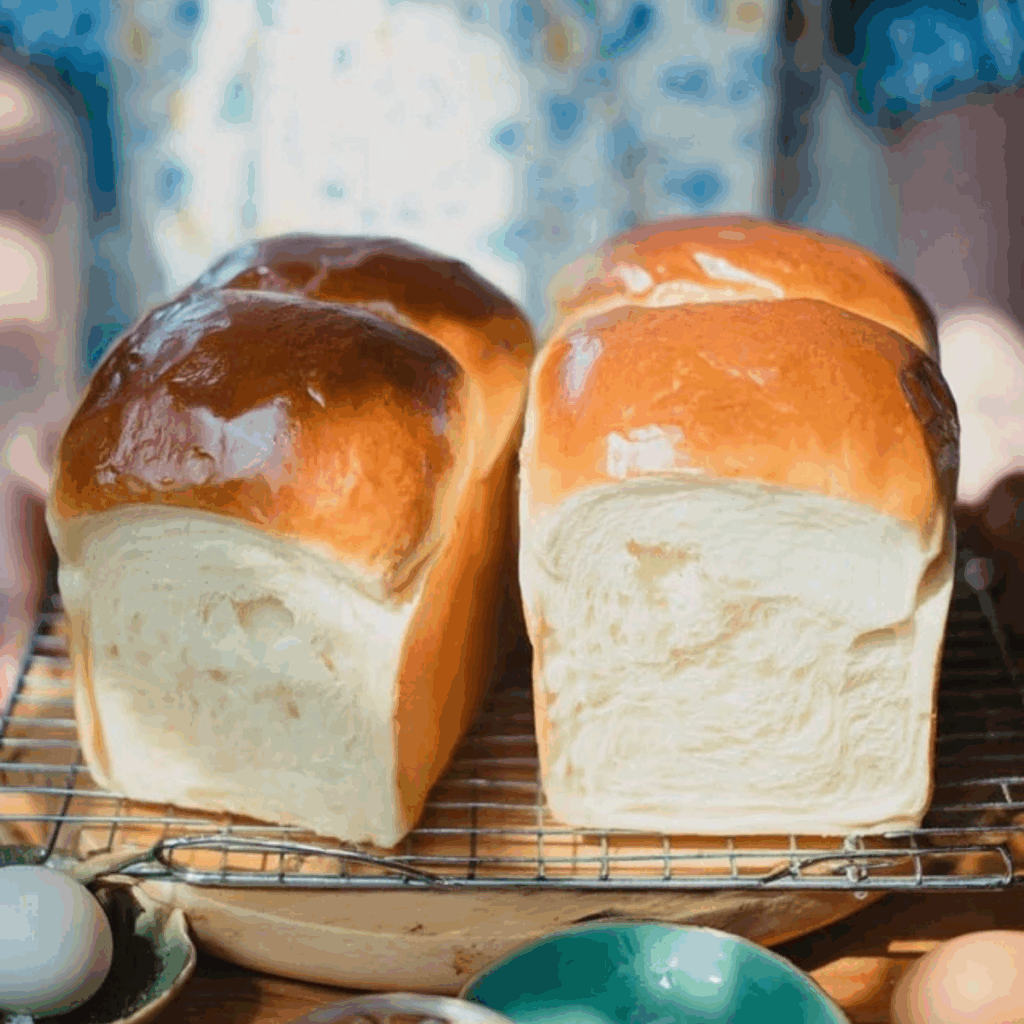
Shokupan, also known as Japanese milk bread, is a soft, fluffy, and slightly sweet bread that has gained worldwide popularity. This bread, characterized by its pillowy texture and golden-brown crust, is a beloved staple in Japan. Thanks to the unique Yudane method, Shokupan remains moist and tender longer than typical bread. Whether you’re a seasoned baker or a beginner, making Shokupan at home is incredibly rewarding. In this guide, we’ll show you step-by-step how to make this delicious Japanese bread from scratch.

Table of Contents
Why Shokupan is a Must-Try
Shokupan is not your average white bread. What sets it apart is its light and airy texture, which comes from the Yudane technique. This method involves mixing bread flour with boiling water to gelatinize the starches, giving the bread a softer, moister crumb. The result? A loaf of bread that stays fresh for longer and offers a subtly sweet, milky flavor.
What makes Shokupan even more appealing is its versatility. It’s perfect for making Japanese-style sandwiches like Tamago Sando or Fruit Sando, but it can also be enjoyed on its own with a bit of butter or jam. Whether you’re making a quick breakfast or a hearty snack, Shokupan will never disappoint.
Ingredients You’ll Need
Before diving into the recipe, make sure you have these ingredients on hand. Each one plays a crucial role in ensuring your Shokupan turns out perfectly soft and fluffy.
- Bread Flour: Essential for the bread’s structure, bread flour has a higher protein content than all-purpose flour, giving the bread its chewy texture.
- Milk: Adds a rich, creamy flavor and helps keep the bread moist.
- Sugar: Sweetens the bread just enough to complement its milky flavor.
- Yeast: This leavening agent makes the dough rise, giving the bread its soft, airy texture.
- Unsalted Butter: Contributes to the bread’s richness and helps with the dough’s elasticity.
- Salt: Balances the sweetness and enhances the overall flavor.
- Yudane: A mixture of bread flour and hot water, this is the secret to achieving that signature softness.
Alternative Ingredient Suggestions
If you want to customize your Shokupan or need to adjust for dietary preferences, here are a few ingredient swaps:
- Milk Substitutes: Almond milk, coconut milk, or oat milk can replace regular cow’s milk without affecting the bread’s fluffiness.
- Butter Alternative: If you prefer a dairy-free version, you can replace unsalted butter with vegetable oil. Use about ¾ of the butter’s amount in oil.
- All-Purpose Flour: While bread flour is preferred for its higher protein content, you can use all-purpose flour if that’s all you have available. The texture may be slightly less chewy, but it will still work well.
Step-by-Step Instructions
Making Shokupan from scratch is a rewarding process that takes a bit of time, but the results are absolutely worth it. Follow these simple steps for the perfect loaf of Japanese milk bread.
- Prepare the Yudane: The night before baking, mix 50g of bread flour with 40ml of boiling water. Stir to combine, then cover the mixture with plastic wrap and refrigerate overnight.
- Combine Ingredients: In a stand mixer, add 150ml of milk, 15g of sugar, 10g of unsalted butter, and 3g of instant dry yeast. Tear the Yudane mixture into small pieces and add it to the bowl.
- Add Flour and Salt: Add 200g of bread flour and 5g of salt to the mixture, then attach the kneading hook to your stand mixer.
- Knead the Dough: On low speed, mix the dough until combined. Increase the speed to medium and knead for about 20 minutes, until the dough is smooth and elastic.
- First Rise: Place the dough in a greased bowl and cover it with cling wrap. Let it rise for 45-60 minutes, or until it doubles in size.
- Shape the Dough: Punch down the dough and divide it into two equal pieces. Roll each piece into a ball and let them rest for 20 minutes.
- Second Rise: Roll each piece of dough into a rectangle about 15 x 20 cm. Fold each piece tightly from both sides toward the center, then roll them up like a log. Place the dough in a greased loaf pan and let it rise for another 30 minutes.
- Bake: Preheat your oven to 365°F (185°C). Bake the dough for 25-30 minutes, or until the top is golden brown and the bread sounds hollow when tapped on the bottom.
- Cool: Remove the bread from the pan and let it cool on a wire rack. Slice and enjoy!
Tips & Tricks for Perfect Shokupan
- Rest the Dough Properly: Give the dough enough time to rise. This is crucial for achieving that fluffy texture.
- Use the Right Flour: Bread flour with about 12% protein content is key to getting the right texture. Avoid using all-purpose flour if you want the fluffiest bread.
- Monitor Temperature: The dough rises best at around 86°F (30°C). If your kitchen is too cold, try placing the dough in an oven with the light on or in a warm spot.
Pairing Ideas and Variations
Shokupan is versatile and pairs wonderfully with both sweet and savory dishes. Try it in these ways:
- Tamago Sando: A Japanese egg sandwich made with Shokupan. The soft, fluffy bread pairs perfectly with creamy scrambled eggs.
- Fruit Sando: Layer sliced fruit and whipped cream between two slices of Shokupan for a light, refreshing snack.
- Toast with Butter and Jam: Simply toast your Shokupan and spread with butter and your favorite jam for an easy breakfast.
- Shokupan Rolls: Transform your dough into individual rolls instead of a loaf for smaller portions.
If you have leftovers, store your Shokupan in an airtight container. It will stay soft for a couple of days, and you can even freeze slices for later use.
Why You Should Try Shokupan Today
Shokupan is more than just a loaf of bread; it’s an experience. The soft, fluffy texture and slightly sweet flavor make it a unique addition to your baking repertoire. Whether you’re new to baking or an experienced pro, this Japanese milk bread is a fun and delicious challenge worth trying.
So, gather your ingredients, follow the steps, and soon you’ll be enjoying the softest, fluffiest bread ever—Shokupan!
Conclusion
Shokupan, the Japanese milk bread, is a delightful treat that is as soft as it is delicious. By using the Yudane method, you can make bread that stays fresh and fluffy for longer, all while boasting a subtle sweetness and airy texture. Whether you’re enjoying it as part of a hearty breakfast or in a Japanese-style sandwich, Shokupan will become a household favorite. With simple ingredients and easy-to-follow steps, this recipe ensures that anyone can create a perfect loaf of this iconic Japanese bread at home.
The combination of a rich, milky flavor and soft texture makes Shokupan an irresistible addition to your baking repertoire. So, don’t hesitate to try this recipe and savor the delicious results. Whether you’re baking for yourself or for your loved ones, Shokupan is sure to impress every time!
FAQ
1. Can I use all-purpose flour instead of bread flour for Shokupan?
While bread flour is recommended for Shokupan because of its higher protein content, you can use all-purpose flour if that’s all you have. However, the bread may not rise as high and the texture might be slightly less chewy.
2. How long can I store Shokupan?
Shokupan stays moist for a few days at room temperature. If you want to store it for a longer period, slice the bread and freeze it in an airtight container. This way, it can last for up to a month.
3. Can I make Shokupan without a stand mixer?
Yes, you can make Shokupan without a stand mixer. Knead the dough by hand, but it may take a little more effort and time (about 30 minutes). Just ensure that the dough becomes smooth and elastic before proceeding with the next steps.
More Relevant Recipes
- Cinnamon Swirl Pumpkin Sourdough Bread: The Perfect Fall Treat
- Sourdough Pumpkin Bread Recipe
- Sourdough Pumpkin Apple Bread with Cinnamon and Pecans
Shokupan
Shokupan, also known as Japanese milk bread, is a soft, fluffy, and slightly sweet bread that is loved for its pillowy texture and versatility. Made using the Yudane method, it stays fresh longer and has a rich, milky flavor. Perfect for sandwiches or enjoying on its own with butter and jam.
- Prep Time: 2 hours
- Cook Time: 30 minutes
- Total Time: 2 hours 30 minutes
- Yield: 1 loaf (approximately 8 slices) 1x
- Category: Bread, Breakfast
- Method: Baking
- Cuisine: Japanese
- Diet: Vegetarian
Ingredients
- 50g Bread flour for Yudane
- 40ml Boiling water
- 150ml Milk (room temperature)
- 15g Sugar
- 3g Instant dry yeast
- 10g Unsalted butter (room temperature)
- 200g Bread flour
- 5g Salt
Instructions
- Prepare the Yudane the night before by mixing 50g of bread flour with 40ml of boiling water. Stir well and refrigerate overnight.
- In a stand mixer, combine 150ml of milk, 15g of sugar, 10g of unsalted butter, and 3g of instant dry yeast. Tear the Yudane into small pieces and add it to the bowl.
- Add 200g of bread flour and 5g of salt to the bowl, and attach the kneading hook to your stand mixer.
- Mix the dough on low speed until combined, then increase to medium speed and knead for 20 minutes until the dough is smooth and elastic.
- Place the dough in a greased bowl and cover with cling wrap. Allow it to rise for 45-60 minutes or until it doubles in size.
- Punch down the dough, then divide it into two equal portions. Roll each portion into a ball and let rest for 20 minutes.
- Roll each ball of dough into a 15×20 cm rectangle. Fold the dough tightly from both sides and then roll it up like a log.
- Place the rolled dough in a greased loaf pan and cover with a damp cloth. Allow it to rise for 30 minutes or until it reaches the top of the pan.
- Preheat the oven to 365°F (185°C). Bake the dough for 25-30 minutes until golden brown and hollow when tapped on the bottom.
- Remove the bread from the pan and let cool on a wire rack before slicing.
Notes
- For a dairy-free version, substitute milk with almond milk or oat milk, and butter with vegetable oil.
- Ensure the dough is kneaded for at least 20 minutes for the best texture.
- If you don’t have a stand mixer, you can knead the dough by hand, though it may take longer.
- Allow the Yudane to rest overnight for the best results, but you can rest it for a shorter time if necessary.
Nutrition
- Serving Size: 1 slice (approximately 2cm thick)
- Calories: 150 kcal
- Sugar: 4g
- Sodium: 2396mg
- Fat: 5g
- Saturated Fat: 2g
- Unsaturated Fat: 3g
- Trans Fat: 0g
- Carbohydrates: 25g
- Fiber: 1g
- Protein: 4g
- Cholesterol: 5mg