
There was a summer when I traveled through the Greek islands, and my meals were a delicious blur of grilled meats, fresh salads, and a cool, tangy sauce I just couldn’t get enough of—tzatziki. It became a ritual. Morning, noon, or night, there it was—creamy, refreshing, and always exactly what I needed. When I returned home, replicating that experience in my own kitchen became a small way of bringing the Mediterranean back with me. And the best part? Making homemade tzatziki is incredibly simple, even for beginner cooks.
This Homemade Tzatziki easy sheet pan dinner staple—yes, tzatziki pairs perfectly with roasted meats and veggies—is not just a condiment; it’s a healthy, protein-rich sauce with bright flavors and incredible versatility. Whether you’re looking for quick and healthy meals, a flavorful dip for parties, or just a way to use up that Greek yogurt in the fridge, this Homemade Tzatziki sidekick is about to become your new favorite kitchen staple.
Why This Recipe is Special
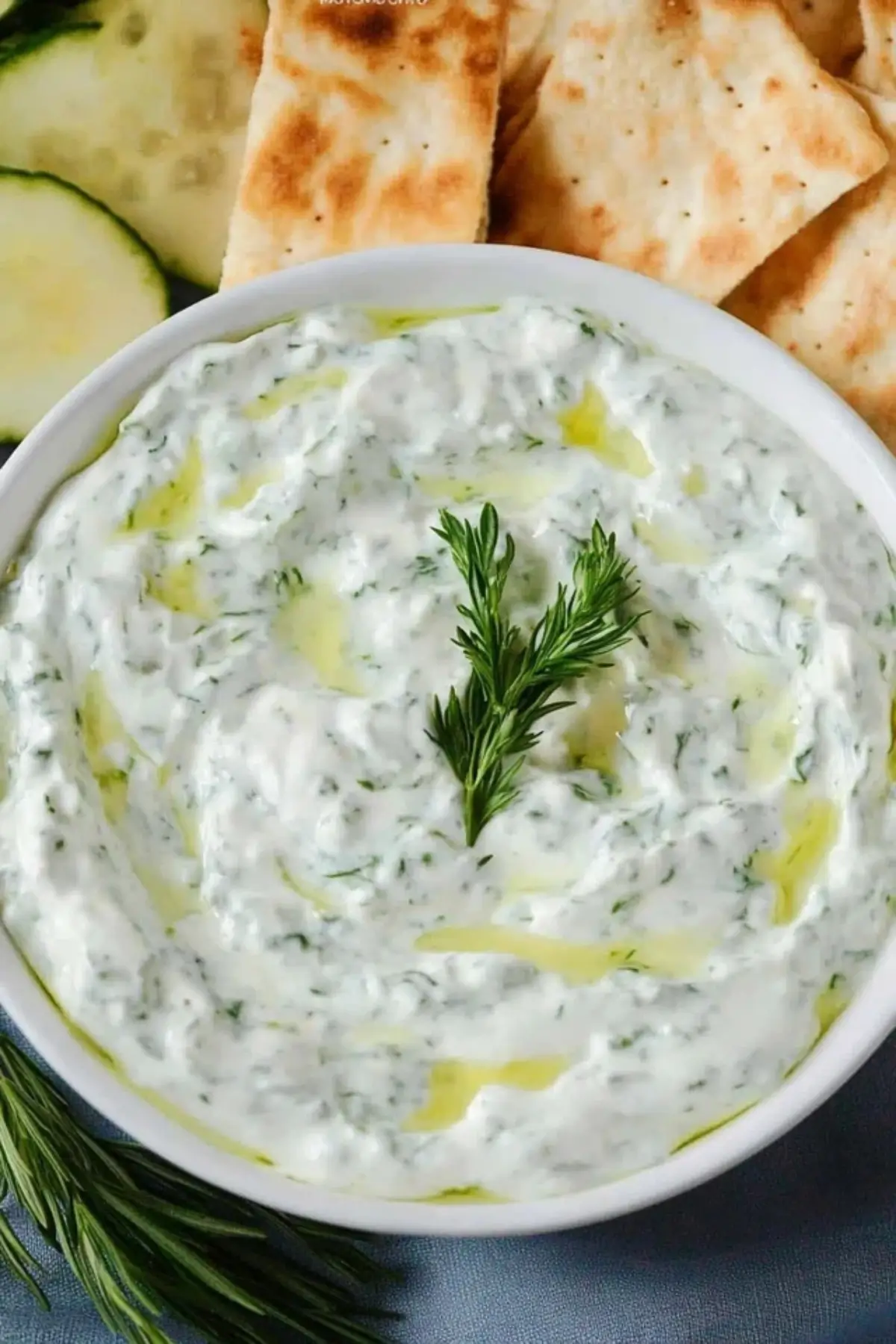
Homemade Tzatziki may look humble, but it’s packed with fresh flavor and nourishing ingredients. It’s a Greek classic that also finds its way into many Middle Eastern and Mediterranean cuisines. Made with just a few ingredients—most of which you likely have on hand—it delivers big on taste, with minimal effort. What makes it truly special is how easily it adapts to your needs. Whether you’re meal prepping, entertaining, or just craving something cool and creamy, this dip can do it all.
Plus, for beginners, it’s forgiving, fast, and rewarding. You’ll learn the basics of working with fresh herbs, garlic, and yogurt—core skills that can carry over into many other recipes.
Ingredients and Preparation
Greek Yogurt – The creamy base of tzatziki. Greek yogurt provides a thick texture and tangy flavor, plus it’s rich in protein and probiotics. For a lighter version, you can use low-fat or non-fat Greek yogurt.
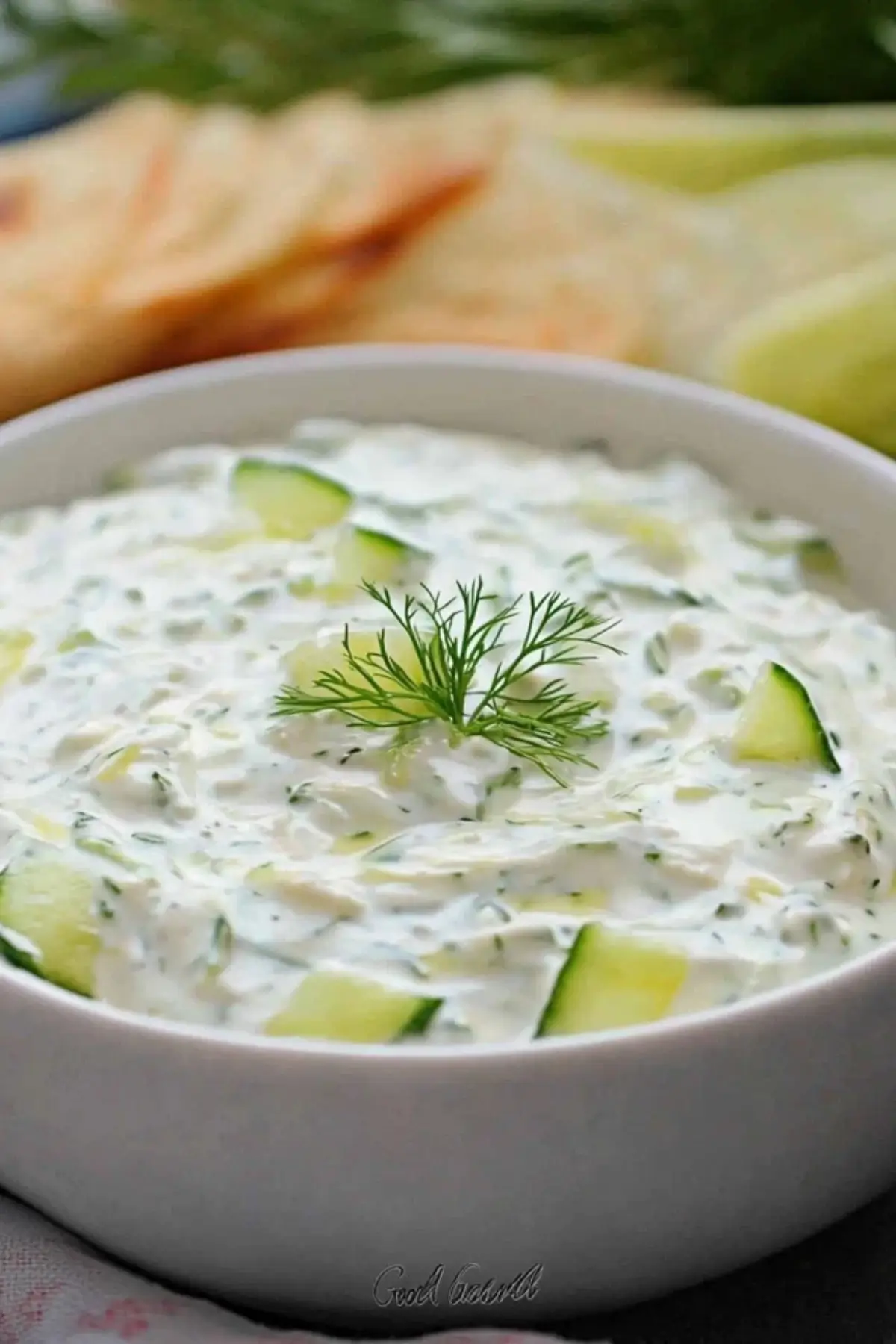
Cucumber – Freshly grated cucumber gives tzatziki its signature cooling effect. It adds crunch, hydration, and a slightly sweet vegetal note. English cucumber is best due to fewer seeds and thinner skin.
Garlic – Minced garlic adds a punchy depth and unmistakable Mediterranean flair. Start with less if you’re garlic-sensitive, and adjust to taste.
Lemon Juice – Fresh lemon juice brightens the dip and adds acidity to balance the creamy yogurt. Lime juice can work in a pinch, though the flavor will shift slightly.
Dill – Fresh dill gives tzatziki its classic herbal profile. It’s light, grassy, and slightly tangy. You can also experiment with mint, parsley, or thyme for variation.
Oregano – A dash of dried oregano enhances the earthy notes and provides an aromatic boost. Fresh oregano can also be used if available.
Olive Oil – A drizzle of good-quality olive oil adds richness and smooth mouthfeel, while tying the flavors together.
Step-by-Step Instructions
Step 1 Start by preparing the cucumber. Slice it lengthwise and scoop out the seeds using a spoon, since most of the water content is there. Grate the cucumber using the large holes of a box grater. Place the grated cucumber in a clean kitchen towel or paper towel and squeeze out as much liquid as possible—this step is essential to avoid a watery dip.
Step 2 In a medium mixing bowl, combine the Greek yogurt, grated and drained cucumber, minced garlic, fresh lemon juice, chopped fresh dill, and dried oregano. Stir until fully combined.
Step 3 Taste the mixture and adjust the seasoning. You can add more lemon juice for brightness, more garlic for kick, or extra dill for a more herbal taste.
Step 4 Transfer the tzatziki to a serving bowl and drizzle with a generous glug of olive oil. Optionally, garnish with additional dill or a sprinkle of black pepper.
Step 5 For the best flavor, let the tzatziki rest in the refrigerator for at least 30 minutes—or ideally overnight—so the flavors can meld beautifully.
Beginner Tips and Notes
- If your tzatziki turns out too runny, it’s likely due to excess moisture in the cucumber. Be sure to squeeze it out thoroughly before mixing.
- If garlic flavor is too strong, let the dip sit overnight. The sharpness will mellow with time, creating a smoother profile.
- To speed up prep, grate the cucumber and garlic while the yogurt comes to room temperature for easier mixing.
- No box grater? A food processor or fine chopping works too—just aim for small, consistent pieces.
- Vegan variation: Use unsweetened coconut or almond-based yogurt. You may need to adjust acidity to compensate for flavor differences.
Serving Suggestions
Serve Homemade Tzatziki as a dip with warm pita, sliced cucumbers, carrots, cherry tomatoes, or crackers. For a complete easy sheet pan dinner, pair it with roasted chicken, lamb, or even salmon for a Mediterranean-style plate.
This dip also makes a delicious sandwich spread or gyro topping. For a vegetarian option, drizzle it over falafel, grilled eggplant, or zucchini.
Storage Tip: Store leftover tzatziki in an airtight container in the fridge for up to 4 days. Stir before serving to redistribute any liquid that may have separated.
Conclusion
Whether you’re dipping, drizzling, or dolloping, Homemade Tzatziki is a versatile companion to countless meals. It’s quick, healthy, and full of vibrant flavor—a must-have for anyone looking to explore Mediterranean cooking. I’d love to hear how your batch turns out, so don’t forget to share your results or ask questions in the comments. Let’s make cooking fun, simple, and delicious—one quick and healthy meal at a time.
FAQ About Homemade Tzatziki
1. Can I make Homemade Tzatziki without Greek yogurt?
Yes, while Greek yogurt gives tzatziki its signature thickness and tang, you can use regular yogurt—just strain it first to remove excess liquid. For dairy-free options, unsweetened coconut or almond yogurt can be substituted, though flavor and texture will vary slightly.
2. How long does homemade tzatziki last in the fridge?
Homemade tzatziki can be stored in an airtight container in the refrigerator for up to 4 days. Stir well before serving, as some liquid separation is natural.
3. Can I freeze Homemade Tzatziki?
Freezing tzatziki is not recommended. The yogurt base can separate and become grainy when thawed, resulting in an undesirable texture. It’s best made fresh or in small batches.
More Relevant Recipes
- Low Carb Bacon Cheddar Mini Cheese Balls
- Texas Roadhouse Rattlesnake Bites
- Asian-Style Ground Beef Lettuce Wraps
Homemade Tzatziki

A creamy, tangy, and refreshing Greek dip made with Greek yogurt, cucumber, garlic, lemon juice, and herbs. Perfect as a dip or sauce for Mediterranean meals.
- Prep Time: 10 minutes
- Cook Time: 0 minutes
- Total Time: 10 minutes
- Yield: 6 servings 1x
- Category: Appetizer
- Method: No-cook
- Cuisine: Greek
- Diet: Vegetarian
Ingredients
- 2 cups plain Greek yogurt
- 1/2 English cucumber
- 1 tablespoon lemon juice
- 1 tablespoon fresh dill, chopped
- 1 1/2 teaspoons dried oregano
- 2 cloves garlic, minced
- 1 tablespoon olive oil
Instructions
- Slice the cucumber in half lengthwise, scoop out the seeds with a spoon, and grate it using the large side of a box grater.
- Place the grated cucumber into a bowl lined with paper towels and press to remove as much liquid as possible.
- In a medium bowl, combine the drained cucumber with Greek yogurt, lemon juice, chopped dill, dried oregano, and minced garlic. Stir until well mixed.
- Transfer the mixture to a serving bowl and drizzle with olive oil. Optionally, garnish with additional dill before serving.
- For best flavor, refrigerate the tzatziki for at least 30 minutes before serving to let the flavors meld.
Notes
- Make sure to remove excess water from the cucumber to avoid a watery dip.
- Let the dip rest in the fridge for enhanced flavor development.
- Can be served as a dip, spread, or sauce for meats and vegetables.
- Use low-fat or non-fat Greek yogurt for a lighter version.
Nutrition
- Serving Size: 1/6 of recipe
- Calories: 90
- Sugar: 2g
- Sodium: 60mg
- Fat: 5g
- Saturated Fat: 1g
- Unsaturated Fat: 4g
- Trans Fat: 0g
- Carbohydrates: 4g
- Fiber: 0g
- Protein: 7g
- Cholesterol: 5mg