
Corned Beef and Cabbage is a timeless comfort food that brings together tender, slow-cooked beef and perfectly seasoned vegetables in one hearty meal. Whether you’re preparing it for St. Patrick’s Day or simply craving a satisfying family dinner, Corned Beef and Cabbage delivers rich flavor, melt-in-your-mouth texture, and wholesome ingredients in every bite. This classic dish is surprisingly easy to make at home, and with the right technique, you’ll achieve fork-tender corned beef paired with buttery cabbage, carrots, and potatoes.
If you’ve been searching for the best way to prepare Corned Beef and Cabbage, this guide walks you through everything you need to know—from ingredient selection to expert cooking tips.
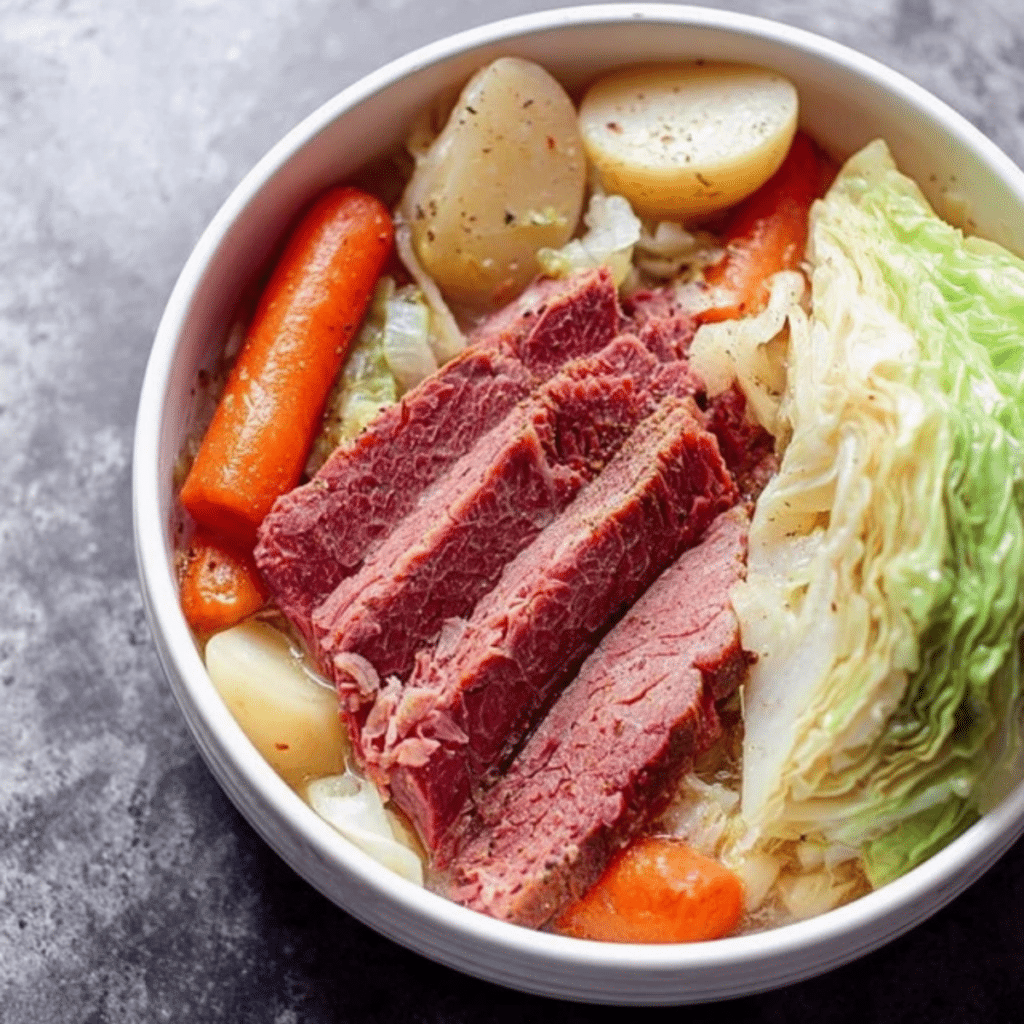
Table of Contents
Why You’ll Love This Corned Beef and Cabbage Recipe
Corned Beef and Cabbage stands out for its simplicity and depth of flavor. It’s a one-pot meal that requires minimal prep yet produces impressive results.
First, the corned beef brisket slowly simmers until incredibly tender. The long, gentle cooking process allows the spices to infuse deeply into the meat, creating that signature savory taste.
Second, the vegetables cook directly in the flavorful broth. Potatoes absorb the seasoned juices, carrots become naturally sweet, and cabbage turns tender without losing its structure.
Another reason Corned Beef and Cabbage remains so popular is its versatility. You can prepare it on the stovetop, in a slow cooker, or even in a Dutch oven. It’s family-friendly, filling, and ideal for leftovers.
Ingredients for Corned Beef and Cabbage
- Corned beef brisket: The star of Corned Beef and Cabbage, known for its salty, brined flavor and tender texture when cooked low and slow.
- Spice packet: Typically included with the brisket; adds classic pickling spices like mustard seeds and coriander for authentic flavor.
- Yellow onion: Provides aromatic depth and enhances the broth.
- Garlic cloves: Add subtle warmth and complexity.
- Baby potatoes: Creamy and hearty, they soak up the savory cooking liquid beautifully.
- Carrots: Bring natural sweetness and vibrant color to the dish.
- Green cabbage: Essential for traditional Corned Beef and Cabbage, offering mild flavor and tender texture when simmered.
- Bay leaves: Contribute herbal notes to the broth.
- Black peppercorns: Enhance overall seasoning without overpowering.
- Fresh parsley: Adds brightness and freshness before serving.
Ingredient Swaps and Variations for Corned Beef and Cabbage
If you want to customize your Corned Beef and Cabbage, there are several easy substitutions:
• Swap baby potatoes for Yukon Gold or red potatoes for a creamier bite.
• Use parsnips instead of carrots for a slightly earthy sweetness.
• Try Savoy cabbage if you prefer a more delicate texture.
• For a lower-sodium version of Corned Beef and Cabbage, rinse the brisket thoroughly before cooking to reduce excess salt.
These small adjustments allow you to tailor the classic corned beef dinner to your taste preferences.
How to Make Corned Beef and Cabbage Step by Step
- Prepare the brisket by removing it from the packaging and rinsing it under cold water. This helps remove excess brine, ensuring your Corned Beef and Cabbage isn’t overly salty. Pat it dry with paper towels.
- Place the corned beef brisket in a large Dutch oven or heavy-bottomed pot. Add the spice packet, bay leaves, peppercorns, onion, and garlic. Pour in enough water to fully cover the meat.
- Bring the liquid to a gentle boil, then reduce the heat to a low simmer. Cover and cook for approximately 2.5 to 3 hours, or until the corned beef is fork-tender. The key to perfect Corned Beef and Cabbage is slow, steady heat.
- Once the beef has cooked for about 2 hours, add the potatoes and carrots to the pot. Continue simmering until the vegetables are tender but not mushy.
- During the final 15–20 minutes of cooking, add cabbage wedges. Submerge them slightly in the broth so they soften while still maintaining structure.
- Test the corned beef for doneness by inserting a fork into the thickest part. It should slide in easily. If it feels firm, continue cooking and check again in 15-minute intervals.
- Remove the brisket from the pot and let it rest for 10–15 minutes before slicing. This step ensures juicy slices of Corned Beef and Cabbage.
- Slice the meat against the grain to maximize tenderness. Serve alongside the cooked vegetables and ladle some of the flavorful broth over the top.
Tips for Perfect Corned Beef and Cabbage
Cooking Corned Beef and Cabbage successfully comes down to a few simple techniques.
Always simmer, never aggressively boil. A rapid boil can make the brisket tough instead of tender.
Let the meat rest before slicing. Resting allows juices to redistribute, preventing dryness.
Slice against the grain. This shortens muscle fibers and ensures each bite of Corned Beef and Cabbage is tender.
Avoid overcooking the cabbage. Adding it at the end keeps it from becoming overly soft or releasing too much sulfur aroma.
If you have leftovers, store Corned Beef and Cabbage in an airtight container in the refrigerator for up to four days. The flavors often deepen overnight, making it even more delicious the next day.
Pairing Ideas and Delicious Variations
Corned Beef and Cabbage pairs beautifully with rustic sides and flavorful condiments.
Serve it with whole grain mustard or a creamy horseradish sauce to add sharp contrast to the rich beef.
Warm Irish soda bread complements the savory broth and completes the traditional feel of this classic Irish-American dish.
For a lighter variation, shred leftover Corned Beef and Cabbage and use it in sandwiches, wraps, or salads. You can also dice the beef and potatoes to create a hearty breakfast hash.
If you enjoy bold flavors, add a splash of apple cider vinegar or a spoonful of Dijon mustard to the broth for subtle tang.
Corned Beef and Cabbage can also be prepared in a slow cooker. Simply place all ingredients except cabbage inside, cook on low for 8–9 hours, and add cabbage during the last hour. This method produces equally tender results with minimal hands-on effort.
The Tradition Behind Corned Beef and Cabbage
While often associated with Irish cuisine, Corned Beef and Cabbage became especially popular in Irish-American communities. Traditionally enjoyed during St. Patrick’s Day celebrations, it symbolizes comfort, heritage, and communal gatherings.
The brining process used for corned beef dates back centuries as a method of preserving meat. When combined with humble vegetables like cabbage and potatoes, it created an affordable yet nourishing meal.
Today, Corned Beef and Cabbage remains a beloved comfort food enjoyed year-round. Its balance of savory beef, tender vegetables, and aromatic spices continues to make it a staple in many homes.
Final Thoughts on Corned Beef and Cabbage
Corned Beef and Cabbage remains one of the most satisfying one-pot meals you can make at home. With its tender brisket, flavorful broth, and perfectly cooked vegetables, this classic dish delivers comfort and tradition in every bite. Whether you prepare Corned Beef and Cabbage for a festive gathering or a cozy weekend dinner, the slow-simmered method ensures rich, deep flavor and fork-tender results.
What makes Corned Beef and Cabbage truly special is its balance. The savory, brined beef pairs beautifully with mild cabbage, buttery potatoes, and sweet carrots. Each ingredient plays a role in creating a hearty, well-rounded meal that feels both rustic and refined.
Once you master the basics of Corned Beef and Cabbage, you can easily adapt it to your preferences. Adjust the seasoning, experiment with different vegetables, or transform leftovers into creative dishes like sandwiches or hash. No matter how you serve it, this traditional corned beef dinner is sure to become a reliable favorite in your recipe collection.
By following the proper cooking techniques—gentle simmering, resting before slicing, and cutting against the grain—you’ll achieve the best possible texture and flavor every time you make Corned Beef and Cabbage.
Frequently Asked Questions About Corned Beef and Cabbage
What is the best way to keep Corned Beef and Cabbage tender?
The key to tender Corned Beef and Cabbage is low and slow cooking. Always simmer rather than boil the brisket. Cooking at a gentle temperature allows the connective tissue to break down gradually, resulting in juicy, fork-tender meat. Letting the beef rest before slicing and cutting against the grain also ensures the most tender texture.
Can I cook Corned Beef and Cabbage in a slow cooker?
Yes, Corned Beef and Cabbage works beautifully in a slow cooker. Place the brisket, spice packet, onions, garlic, and water into the slow cooker and cook on low for 8–9 hours. Add potatoes and carrots halfway through, and cabbage during the last hour to prevent overcooking. This method creates an easy, hands-off version of the classic Irish-American dish.
How do I store and reheat leftover Corned Beef and Cabbage?
Store leftover Corned Beef and Cabbage in an airtight container in the refrigerator for up to four days. Keep some of the cooking broth with the meat to maintain moisture. Reheat gently on the stovetop over low heat or in the microwave in short intervals. Adding a splash of broth helps prevent the corned beef from drying out
More Relevant Recipes
- Guinness Onion Soup – Rich & Cozy Classic
- easy Irish Apple Amber – Classic Irish Dessert
- Best Smoked Hamburgers – Juicy, Easy & Flavorful
Corned Beef and Cabbage

Corned Beef and Cabbage is a classic one-pot comfort meal made with slow-simmered corned beef brisket, tender cabbage, potatoes, and carrots infused with aromatic spices. This hearty Irish-American favorite delivers rich flavor and fork-tender texture, perfect for family dinners or St. Patrick’s Day celebrations.
- Prep Time: 15 minutes
- Cook Time: 3 hours
- Total Time: 3 hours 15 minutes
- Yield: 6 servings 1x
- Category: Dinner
- Method: Simmering
- Cuisine: Irish-American
- Diet: Low Lactose
Ingredients
- 3–4 lb corned beef brisket (with spice packet)
- 10 cups water (enough to fully cover brisket)
- 1 large yellow onion, quartered
- 3 garlic cloves, smashed
- 2 bay leaves
- 1 teaspoon whole black peppercorns
- 1 ½ lbs baby potatoes, halved if large
- 4 large carrots, peeled and cut into chunks
- 1 medium green cabbage, cut into wedges
- 2 tablespoons fresh parsley, chopped (for garnish)
Instructions
- Remove the corned beef brisket from packaging and rinse thoroughly under cold water to remove excess brine. Pat dry.
- Place brisket in a large Dutch oven or heavy-bottomed pot. Add spice packet, onion, garlic, bay leaves, and peppercorns.
- Pour in enough water to fully cover the meat. Bring to a gentle boil, then reduce heat to low and simmer covered for 2 ½ to 3 hours.
- After 2 hours of cooking, add the potatoes and carrots to the pot. Continue simmering until vegetables are fork-tender.
- Add cabbage wedges during the last 15–20 minutes of cooking, ensuring they are partially submerged in the broth.
- Check the brisket for doneness; it should be fork-tender. If needed, continue cooking in 15-minute increments.
- Remove the brisket and let it rest for 10–15 minutes before slicing against the grain.
- Serve sliced corned beef with cabbage, potatoes, and carrots. Spoon some cooking broth over the top and garnish with fresh parsley.
Notes
- Always simmer gently; boiling can make the brisket tough.
- Rinse the brisket well to reduce saltiness.
- Let the meat rest before slicing to retain juices.
- Slice against the grain for maximum tenderness.
- Store leftovers in an airtight container with some broth for up to 4 days.
- For slow cooker method, cook on low for 8–9 hours and add cabbage during the last hour.
Nutrition
- Serving Size: 1 serving
- Calories: 520 kcal
- Sugar: 6 g
- Sodium: 1280 mg
- Fat: 28 g
- Saturated Fat: 10 g
- Unsaturated Fat: 15 g
- Trans Fat: 0 g
- Carbohydrates: 32 g
- Fiber: 5 g
- Protein: 35 g
- Cholesterol: 110 mg


